

Getting Started with Online Condition Based Monitoring for Substations
\r\n\tOnline vs Offline
\r\n \r\nIncreasing substation equipment failures has resulted in utilities looking for ways to monitor their equipment\xe2\x80\x99s condition. Monitoring allows them to manage costs, reduce the risk of unexpected failure, and improve their ability to manage asset health. There are two kinds of monitoring: time-based and online condition-based monitoring.
\n\n\t\t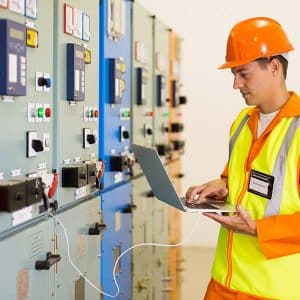
Time-Based
\nTime-based monitoring involves periodic testing and maintenance to measure the health of an asset. This involves a crew traveling to the site to pull samples or run tests on equipment on a timed schedule. While this method can help identify asset problems, it also can be unreliable as many failures do not provide significant warning signs until a short time before the impending failure. You cannot catch problems reliably with a calendar.
\n\n\t\t
Condition-Based
\nOnline condition-based monitoring is implemented on transformers, breakers, switchgear, and other equipment to provide continuous data on the condition of the assets. An asset monitor collects historic data and sends an alarm when something looks out of place. Using this data, utilities identify issues early in the failure process and schedule an outage, if necessary. This method saves time, cost and keeps crews safe.
\n\n\t\tThe 5 W\'s of Establishing a Successful Online Condition Based Monitoring Program
\r\n\tA well designed condition based monitoring program will enable your organization to make the right decisions at the right time with reliable asset knowledge, increased system reliability and safety benefits. It’s important to ask yourself the 5 W’s before implementing an online condition based monitoring program.
\n\n\t\tWHY Online Monitoring?
\r\n \r\nTransition to Condition Based Maintenance
\n\t\t\t\tSituational awareness is key to better performance. \n\t\t\t\t\tExtending the Life of Existing Units
\n\t\t\t\tDiagnostics and monitoring play a key role in asset life expectancy providing cost avoidance. \n\t\t\t\t\tRegulatory Requirements
\n\t\t\t\tWhere certain key assets MUST have a record of monitoring actions that are subject to audits. \n\t\t\t\t\tReliability
\n\t\t\t\tCondition based and preventative centered maintenance increases reliability. \n\t\t\t\t\tSafety
\n\t\t\t\tCreate network access restrictions so personnel are not on site if there is a significant safety concern. \n\t\t\t\t\tReduce Environmental Impacts
\n\t\t\t\tReduce the risk of catastrophic events, leaks, loss of power for cooling equipment, and extra travel. \n\t\t\t\t\tWHO will benefit from online monitoring?
\r\n \r\nCollaborating and sharing data with the industry can benefit all of us.
\n\n\t\t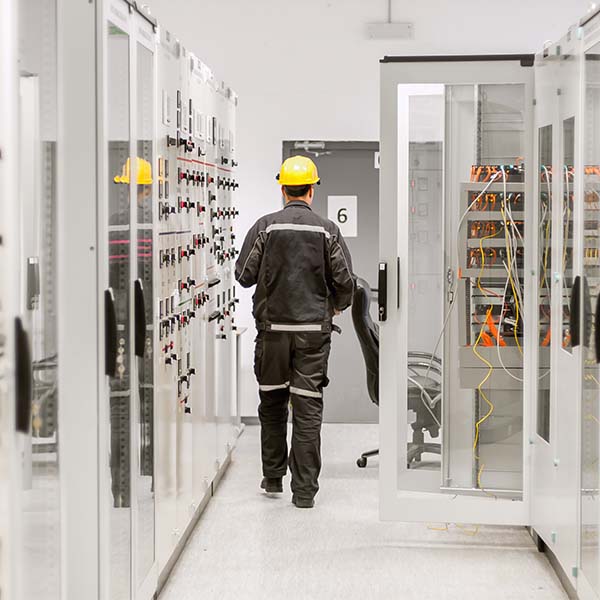
Maintenance Groups
\nreduce maintenance costs while improving reliability.
\n\n\t\t
Operations Groups
\nbenefit from early warnings and situational awareness.
\n\n\t\t
Asset Management Groups
\nunderstand risky units to prepare for replacement.
\n\n\t\t
Standards Groups
\nwrite specifications for new units based on experience.
\n\n\t\tWHAT to monitor inside the substation?
\r\n \r\nWhat to monitor depends a great deal on the answer to “why”. It is possible to monitor most high voltage assets and their components.
\n\n\t\t \r\n\t\t\t\t\t\t\t\r\n\t\t\t\t\t\t\r\n\t\t\t\t\t \r\n\t\t\t\t\t
WHERE should the monitoring system be implemented?
\r\n \r\n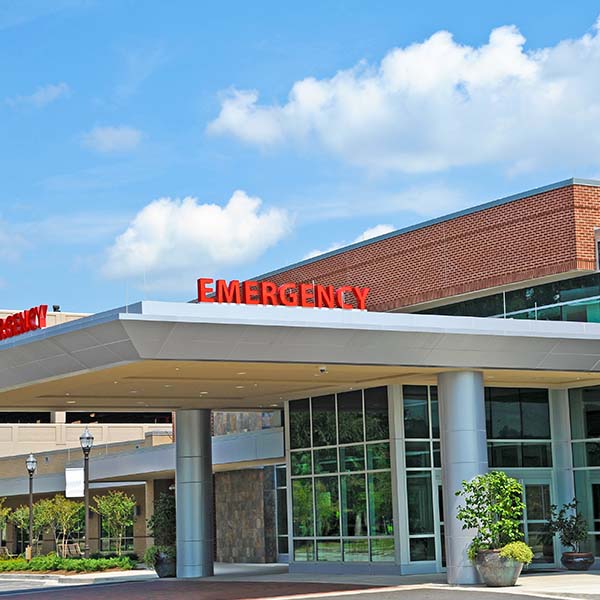
Critical Load
\nHospitals, government buildings and other critical businesses require the power to be maintained under any circumstance.
\n\n\t\t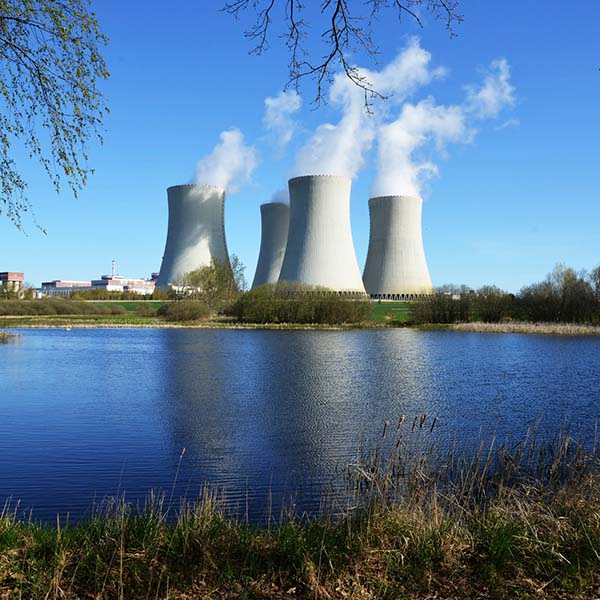
Generation
\nFailure at generation facilities could be catastrophic.
\n\n\t\t
Remote Locations
\nLocations that are difficult to get to quickly could pose a problem.
\n\n\t\t
Extra Attention
\nAreas that need increased maintenance due to aging or other issues will benefit.
\n\n\t\t