Electricity Forum Intelligent Power Today Magazine Arc Flash Clothing

Electrical Transformers


Acutran Transformers: Built to Military Precision

Acutran is a veteran-owned custom designer and manufacturer of low- and medium-voltage dry-type transformers from 10VA to 3000kVA with voltages up to 25000V, inductors and reactors, and related components and services.The company was founded in 1983 and is now owned by Mike Evans, who is also the...

The SorbWeb™ Plus DRH4 Synergy

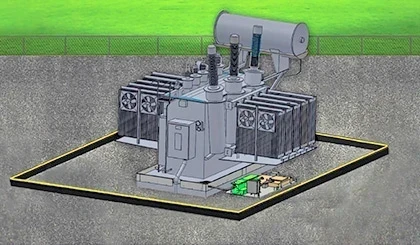
If you have oil-filled transformers, the law requires you to have a spill prevention plan in place, up to and including a secondary containment system to protect the environment and prevent oil from reaching navigable waters. Albarrie and Voltra Technology have partnered up to provide the power...

Optimal Transformer Efficiency Using Weighted Average

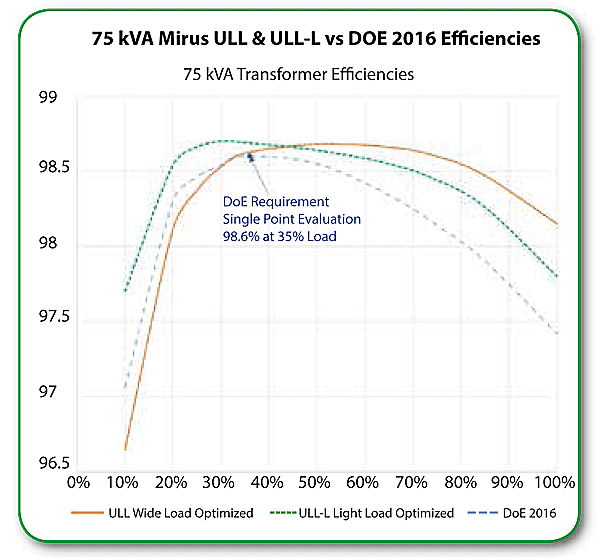
In order to improve the efficiency of electrical distribution in commercial buildings, the US Department of Energy (DOE) introduced regulations with more stringent minimums on transformer efficiencies in January 2016. This was covered under the Code of Federal Regulations 10 CFR Part 431.192 and...

Electrical Transformers

transformer repair

Radiator Fin(s) Leak Repair

Radiator fins are notorious for leaking at various locations. One of which is where the fins are attached (welded) to the horizontal bottom-run header. Measurements are taken so a weir box can be installed to cover the fin(s) that are leaking. It is preferred the weir box will cover above the leaking area about 6".
This 6” cover will allow for urethane (poured into weir box) to adhere to the drier part of the fin(s) to assist with the sealing process. After pour, the technician will mark the outside of the weir box at the location(s) where the original leak was. This incase further work may be required for a better seal. After the urethane is poured and let to cure (usually overnight) the job is inspected to determined seal effectiveness. In the event we still have some leakage; whether the following day or later, an additional procedure may be performed. If leaking, the weir box is fabricated out of 11ga galvanized sheet metal which is thick enough for completing a 1/16" NPT. The technician will decide where (usually where it's been marked) and how many 1/16" D&T’s (drill & taps) are required. Once additional d&t's are completed, injection valves installed, then a special 2-part sealant (must be approved from a dielectric and DGA standpoint) will be injected. The thought is: now that there is cured urethane above the original leak(s) and we have marked the weir box for injecting close to that spot, we have created a bridging barrier for our sealant to back up against (so as not to extrude out the top of the weir box).

Related Articles


Mirus International ULLTRA(TM) graph

Optimal Transformer Efficiency Using Weighted Average

In order to improve the efficiency of electrical distribution in commercial buildings, the US Department of Energy (DOE) introduced regulations with more stringent minimums on transformer efficiencies in January 2016. This was covered under the Code of Federal Regulations 10 CFR Part 431.192 and...

Smart Transformers: Enhancing Grid Efficiency and Reliability

The evolving demands of modern power grids necessitate the adoption of advanced technologies that can provide enhanced efficiency, reliability, and flexibility. Smart transformers are at the forefront of this technological revolution, offering a range of capabilities that significantly improve the...

Transformer testing and failure analysis

Power Transformer Failures

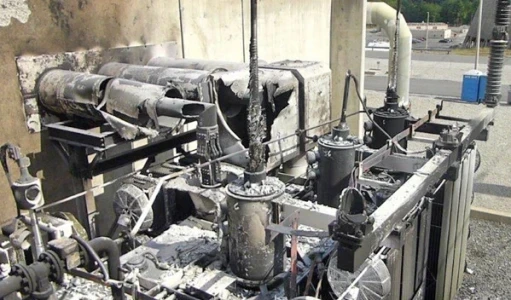
Electric utilities maximize utilization of their assets, while maintaining reliability. Power transformers are typically reliable, but have been known to fail suddenly and/or prematurely. Transformer failures are both costly and can leave customers dissatisfied, harming the reputation of a utility....

transformer oil

Leakers, What a Mess!

Electric Substation apparatus, transformers and circuit breakers, are the workhorses of the electric transmission grid. Our focus in this article is on the issue of dielectric media leaks. Specifically, oil in large power transformers and oil or SF6 gas in power circuit breakers. Oil and gas leaks...


Page 1 of 12