T&D Products
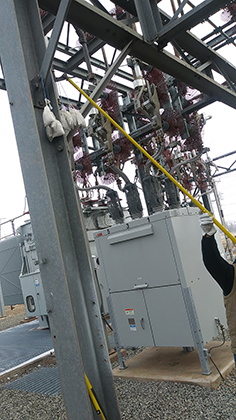
Critter Guard
Test Your Knowledge About Smart Grid!
Think you know Smart Grid? Take our quick, interactive quiz and test your knowledge in minutes.
- Instantly see your results and score
- Identify strengths and areas for improvement
- Challenge yourself on real-world electrical topics
Latest Electrical Industry News
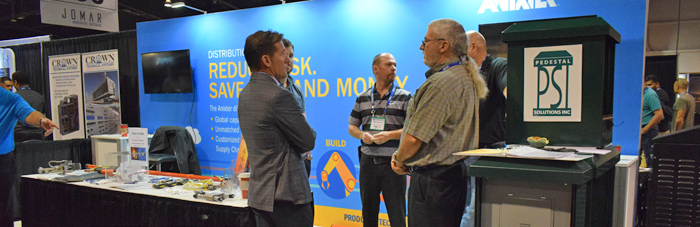
CUEE is Back and as Big and Bold as Ever
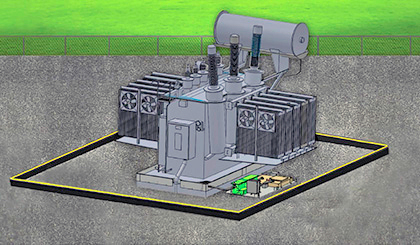
The SorbWeb™ Plus DRH4 Synergy
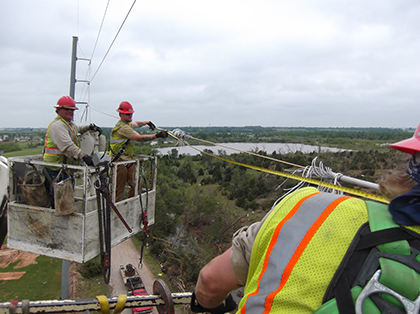
How Modern Conductors are Improving Grid Reliability and Much More
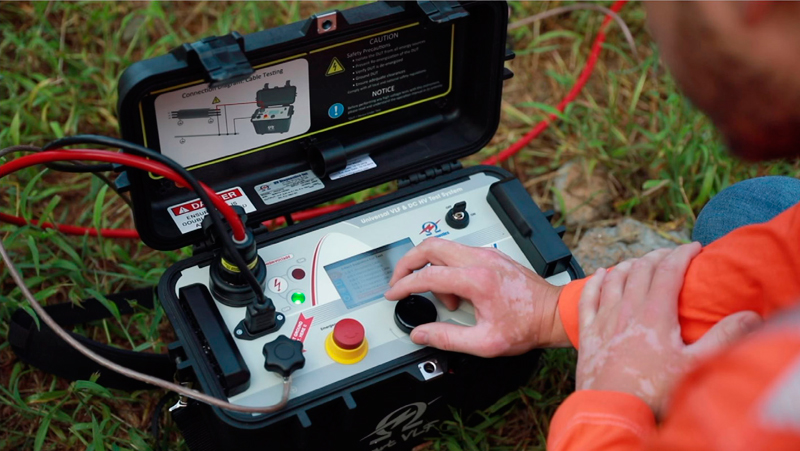
Cable Testing Comes of Age - One Cycle at a Time
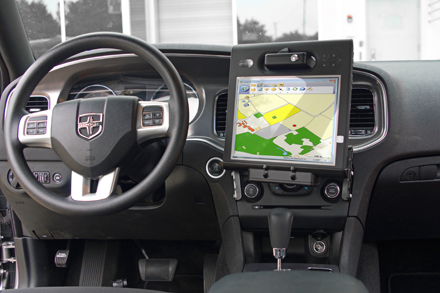
Rugged Tablets for Utility Fleet Vehicles
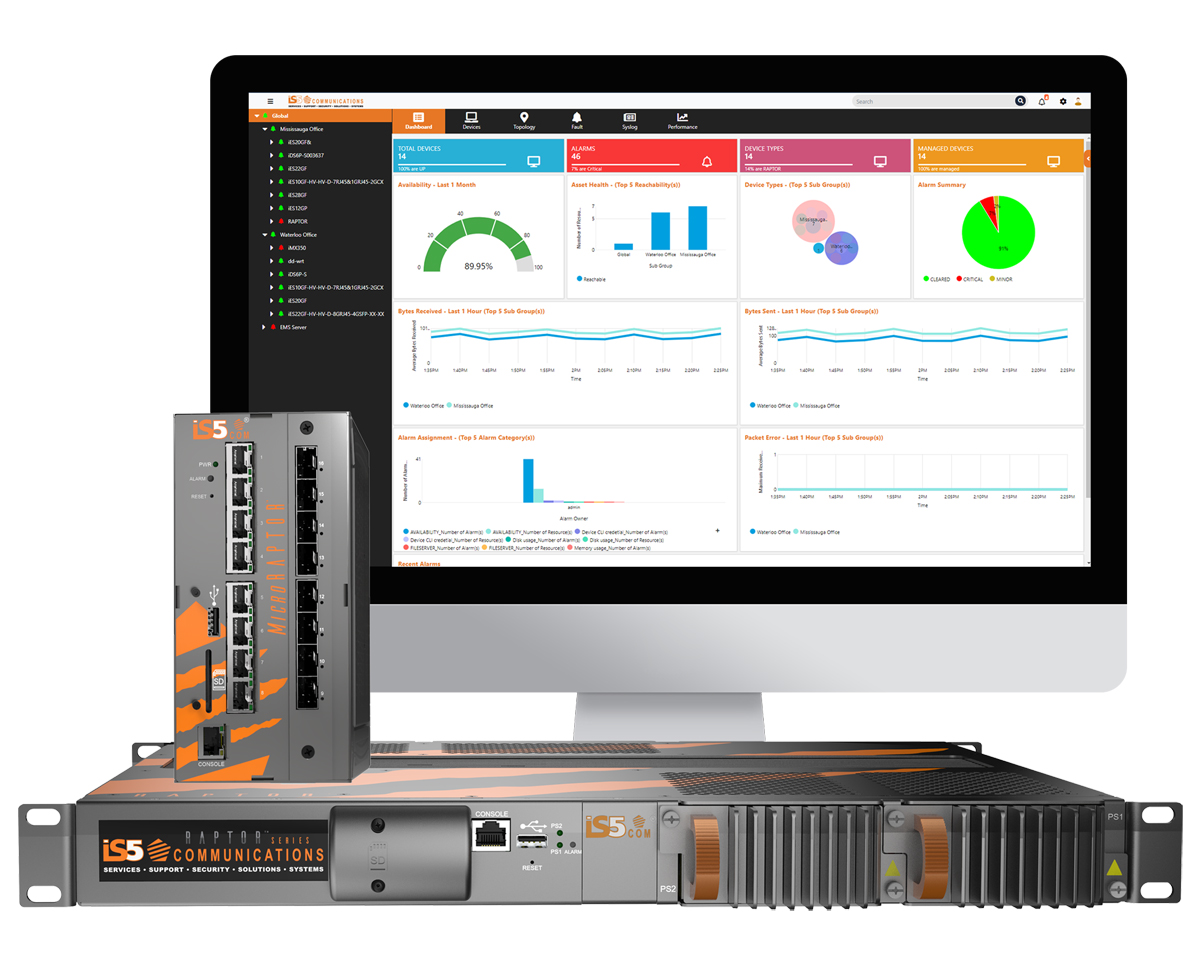
Communications, Data Hardening, and the Smart Grid
Vibration and Noise Control in T&D
T&D Buyer's Guide




T&D Products Articles
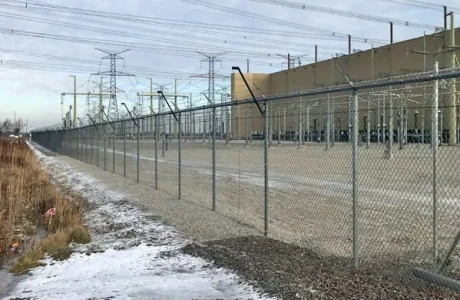
Reducing Nuisance Alarm Rates from On-Site Security Systems
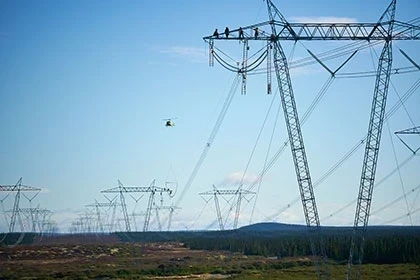
Building a Competency Program
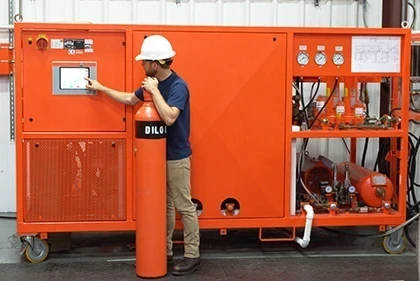
Reconditioned SF₆ Gas: An Environmentally Friendly Alternative
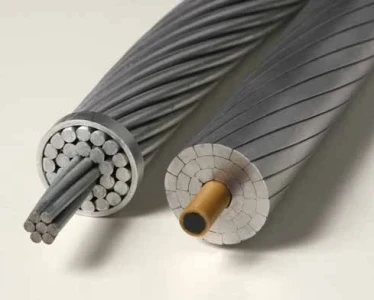
The Evolution / Revolution of Overhead Conductors… and why it matters

Virtual Power Plants (Vpp) And Smart Grids: Integrating Renewable Energy For A Sustainable Future
FREE EF Electrical Training Catalog
Download our FREE Electrical Training Catalog and explore a full range of expert-led electrical training courses.

- Live online and in-person courses available
- Real-time instruction with Q&A from industry experts
- Flexible scheduling for your convenience
Sign Up for Electricity Forum’s Newsletter
Stay informed with our FREE Newsletter — get the latest news, breakthrough technologies, and expert insights, delivered straight to your inbox.
Related Courses

Expert Electrical Training That Builds Skills
The Electricity Forum Training Institute provides expert-led electrical training for professionals across North America. We deliver live online and in-person courses year-round, taught by certified instructors. Our training helps ensure electrical safety, code compliance, and technical excellence for utilities, industries, contractors, and engineers in both the U.S. and Canada.