
Electricity Forum Intelligent Power Today Magazine Arc Flash Clothing

Conductors & Materials


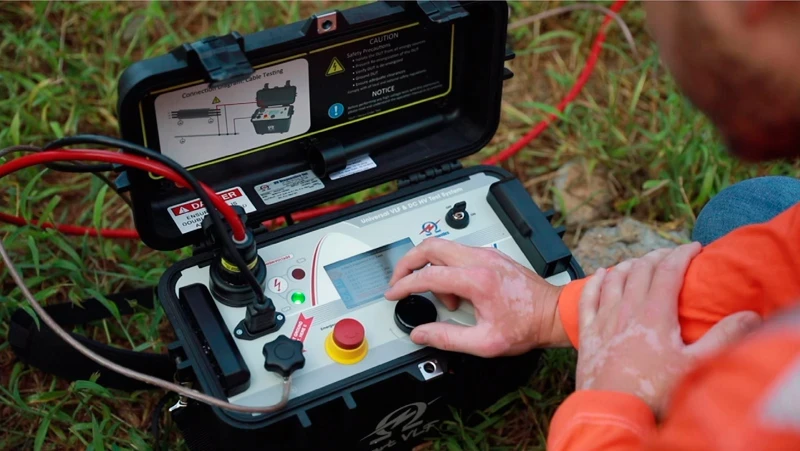
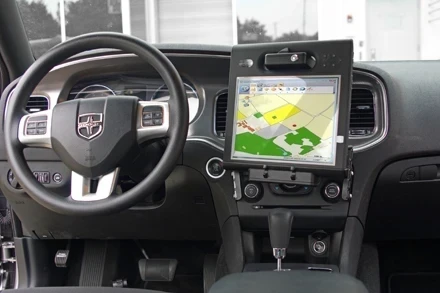
Detecting Faults in Underground Networks

Enhancing protection using directional faulted circuit indicators BY CHRISTOPHER EVANICH, Thomas & Betts Underground electrical networks provide reliable service to end users, but create problems for utility personnel in locating faults. Electric utilities who utilize an underground network...

Infrastructure & Technologies


Vibration and Noise Control in T&D

It is very often that “just putting some rubber” to isolate structures creates an inefficient or even a vibration isolation problem, without taking into account the characteristics of the whole system: such as media environment and temperature, material stiffness adjusted to the...

Outage Management & Restoration


Fighting Wildfires to Increase Pole Protection

Evaluating pole selection for increased protection BY BUTCH BERNHARDT, North American Wood Pole Council The number of wildland fires reached record levels in many states in 2014, prompting questions about what poles perform more efficiently in fires: steel or wood. Research from a bulletin...

Vegetation Management


Advanced Survey Technologies Deliver Clear View of Geologic Hazards

Electric utilities commonly use trained foresters, traversing thousands of miles, to manually identify vegetation or other geographic hazards posing risks to transmission infrastructure. For one utility in the Western United States, the challenging terrain and accuracy limitations of laser range...

Disaster & Recovery


Pennsylvania’s Yaw Bill

In a significant move for Pennsylvania’s energy sector, State Senator Gene Yaw has introduced a transformative piece of legislation aimed at modernizing the state's approach to power plant development and capacity management. The bill, which has been the subject of considerable discussion,...

Pole Line Hardware


Fiber-Reinforced Composite Cross Arms for Transmission Structures

Fiber-reinforced polymers versus traditional cross arms materials BY JANOS TOTH & GRANT LOCKHART, FRP Transmission Innovations Inc. Recently, utilities have started using newer options such as component polyurethanes instead of older, widely used conventional materials. Specifically,...

Overhead T&D

ACSR and ACCC

The Evolution / Revolution of Overhead Conductors... and why it matters

Brief Background:

In the early 1900’s Aluminum Conductor Steel Reinforced (ACSR) conductor was developed to replace copper wires, due to the war effort when copper was needed for munitions. In the 1970’s growing demand for electricity inspired the development of higher capacity Aluminum Conductor Steel Reinforced (ACSS) conductor. The ACSS conductor became known as the first “High-Temperature, Low-Sag” (HTLS) conductor. The design used the same steel core as ACSR (with improved galvanized coatings) and fully...

Overhead T&D Articles