

Partial Discharge
\r\n\tPartial discharge (PD) activity is often present well in advance of insulation failure. Therefore, partial discharge monitoring provides the most evident indication of defects and deterioration in transformers, turbines, motors, cable and switchgear.
\nAsset managers can evaluate partial discharge activity over time and make informed strategic decisions regarding the timely repair or replacement of the equipment before an unexpected outage occurs.
\n\n\t\tWhat is partial discharge?
\r\n \r\nPartial discharge occurs inside insulation in assets such as a transformer, turbine generator, motor, switchgear or cable. Partial discharge occurs when one part of the insulation cannot withstand electric stress, so it flashes over. At that time, the gases are ionized and the voltage drops quickly. Then the current pulse equalizes the remaining charge in the remaining insulation. It\xe2\x80\x99s a rapid process that negatively affects the asset’s life.
\n\n\t\t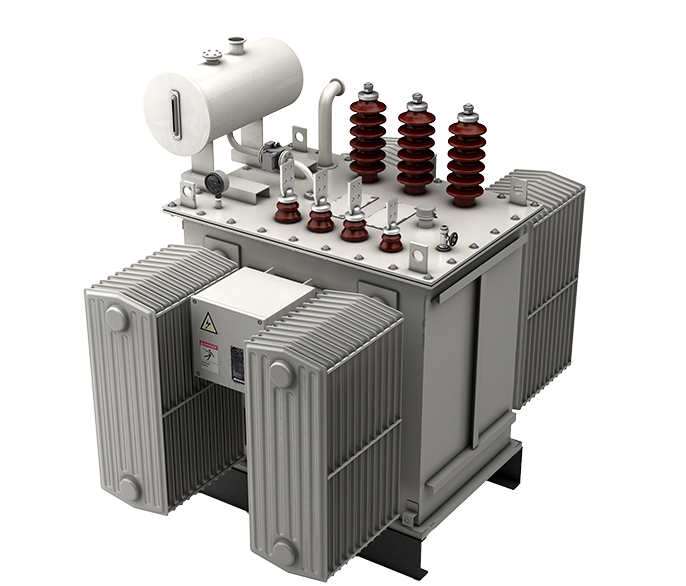
Partial Discharge Activity
\r\n\tWhere does partial discharge occur?
\r\n \r\nPartial discharge occurs in electrical assets that have insulation such as transformer bushings, switchgear, cables, turbine generators, motors, and more. It can occur at any voltage level.
\n\n\t\tWhy does partial discharge occur in a transformer?
\r\n \r\nWhenever you have a change in the dielectric constant of a material, that can change the electrical distribution. Typically, there are three potential sources of PD generation in a power transformer \xe2\x80\x93 core and coils assembly, bushing, and load-tap changer. The following factors help determine the source of PD: operating voltage, voltage induced by main magnetic and stray flux, and impairment of the insulation properties due to moisture ingress and particle contaminants. Levels of insulation degradation in a power transformer can be reliably tracked using PD measurements.
\n\n\t\tWhat causes partial discharge?
\r\n \r\nThere are multiple situations that can cause PD to occur. Many are due to human error: contamination, poor installation, or manufacturing defects. Some causes are environmental such as temperature and humidity. Over time, PD can also occur due to aging of the insulation.
\n\n\t\tThree Methods to Measuring Partial Discharge
\r\n\tElectric (Conventional)
\n\t\t\t\tWith electrical PD measurement (IEC 60270), the apparent charge measures in pC which is the integrated current pulse caused by a PD, which flows through the test circuit. The conventional method allows a precise calibration but requires a sufficiently high signal-to-noise ratio (SNR) in the measurement circuit to easily resolve the PD signal in question. \n\t\t\t\t\tUHF (Ultra High Frequency)
\n\t\t\t\tA UHF antenna measures the electromagnetic emission from a PD source. It is inserted into the transformer tank through an oil-sampling valve. The metal surface of the tank acts as a natural Faraday-cage to filter out electrical interferences from outside. UHF readings cannot be calibrated using IEEE or IEC standards on factory PD acceptance testing of transformers. \n\t\t\t\t\tUltrasonic (Acoustic)
\n\t\t\t\tThe main purpose of permanently installed online acoustic monitoring systems is to provide an early indication of an incipient fault to a remote location which can then be followed by more extensive field tests. Common industry practice is to perform these measurements in response to abnormal gas-in-oil test results or sounds that may indicate partial discharges. \n\t\t\t\t\tWhich method is best for partial discharge monitoring?
\r\n \r\nFor decades, the electric method has been the most reliable form of PD measurement on transformers. Methods like the radio influence methods (RIV) calibrated in micro-volts are evaluated according to NEMA 107. The wide-band or narrow-band PD detectors calibrated in pico-coulombs are evaluated according to IEC publication 60270. There are no current accepted procedures or guidelines available for UHF or acoustic methods. Download this white paper that compares the three methods to learn more.
\n\n\t\t \n\t\t
33
\n33% of transformers are taken out of service within 12 months of maintenance
\n17
\n17% of transformer failures are bushing related
\n26
\n26% of transformer failures are winding related
\nTransformer Partial Discharge Monitors and Sensors
\r\n\t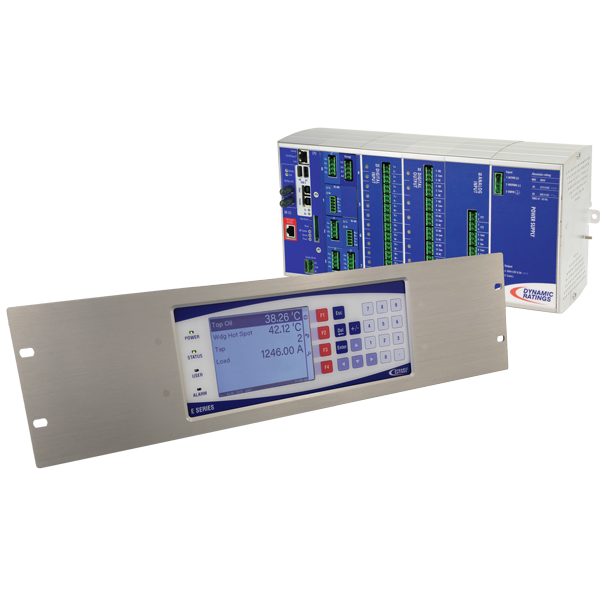 \n
\n E3 Transformer Monitor
\t\t\n\t\t\tThe E3 monitors key transformer components, consolidates data, manages communication to third party IEDs, and provides a single point of communication for alarms. \n\t\t \n
\n DTM Bushing Health Monitor
\t\t\n\t\t\tThe DTM Bushing Health Monitor detects problems to prevent failure of transformer bushings, windings, and the bus connected to the transformer. \n\t\t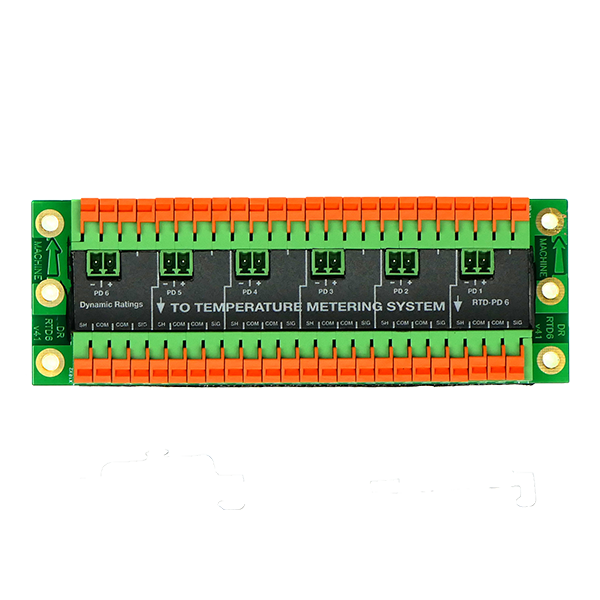 \n
\n RTD-PD
\t\t\n\t\t\tThe RTD-PD Module is designed to detect PD that occurs deep within the windings. Line-side coupling capacitors only identify PD levels close to the equipment terminals. When the RTD-PD sensor is used it allows a more comprehensive view of the true condition of the machine\xe2\x80\x99s insulation system. \n\t\t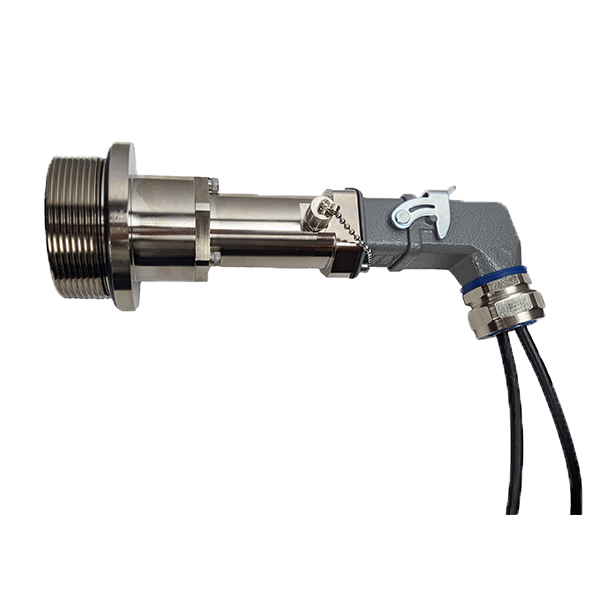 \n
\n BAU+ Sensor
\t\t\n\t\t\tThe Bushing Adapter Unit (BAU+) sensor serves multiple purposes which eliminates the need to purchase a unique sensor for each application. \n\t\t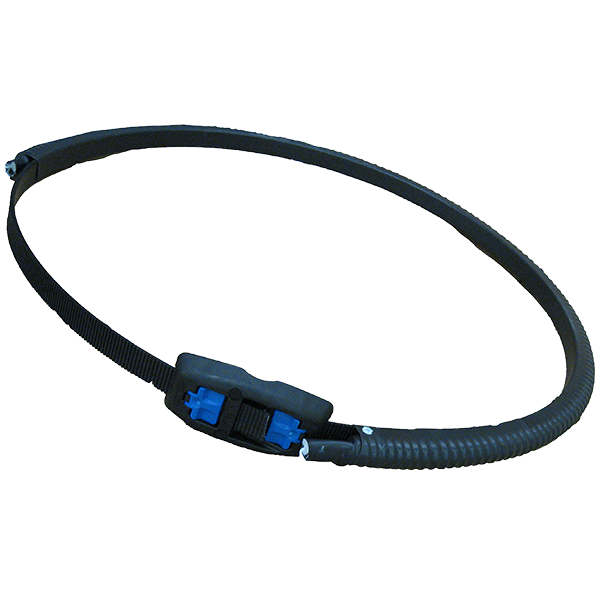 \n
\n Rogowski Coil
\t\t\n\t\t\tThe Dynamic Ratings Rogowski Coil allows for advanced noise rejection based on pulse polarity when used in conjunction with a\xc2\xa0BAU+ Sensor. \n\t\t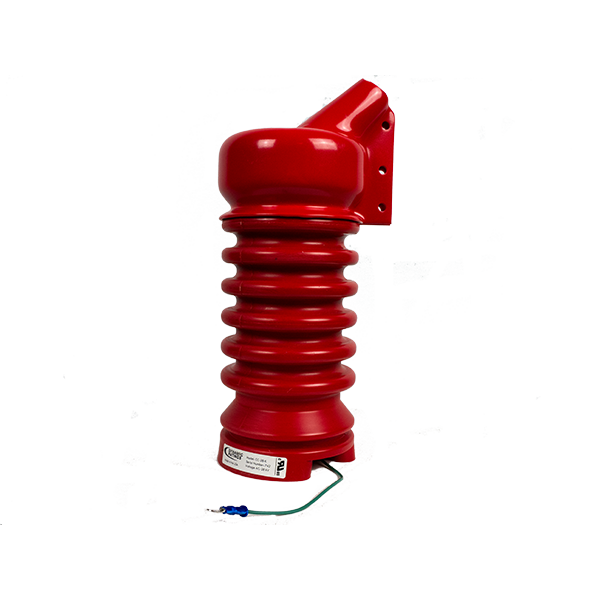 \n
\n Coupling Capacitor Sensor
\t\t\n\t\t\tThe Coupling Capacitor is a highly sensitive partial discharge (PD) sensor used to decouple PD from the monitored conductor. \n\t\t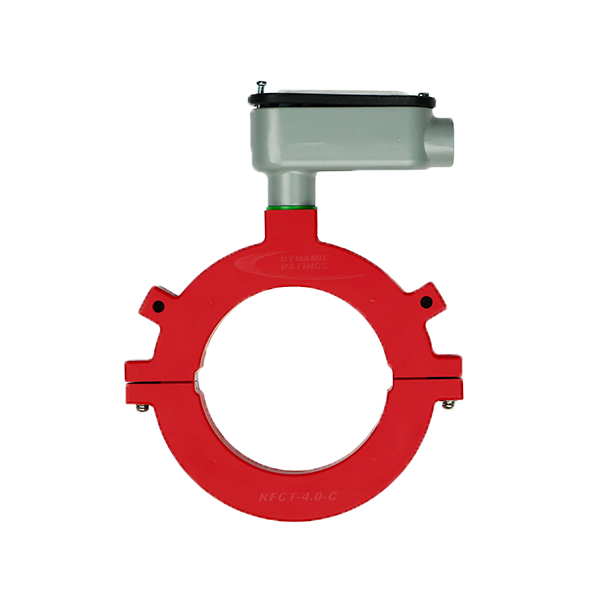 \n
\n RFCT
\t\t\n\t\t\tThe Radio Frequency Current Transformer (RFCT) provides non-invasive, directionally sensitive PD detection on electrical equipment by detecting activity in the ground connection. \n\t\t \n
\n GPCS Sensor
\t\t\n\t\t\tThe Ground Path Current Sensor (GPCS) provides directionally sensitive partial discharge (PD) detection in electrical equipment. \n\t\tPartial Discharge Monitoring for Other Substation Assets
\r\n\t \n
\n Switchgear and Cable Monitoring
\t\t\n\t\t\tThe Switchgear and Cable Monitor provides PD monitoring for switchgear and cable applications. \n\t\t \n
\n Iso Phase Bus Ducts
\t\t\n\t\t\tVarious sensors provides PD monitoring for iso phase bus duct applications. \n\t\t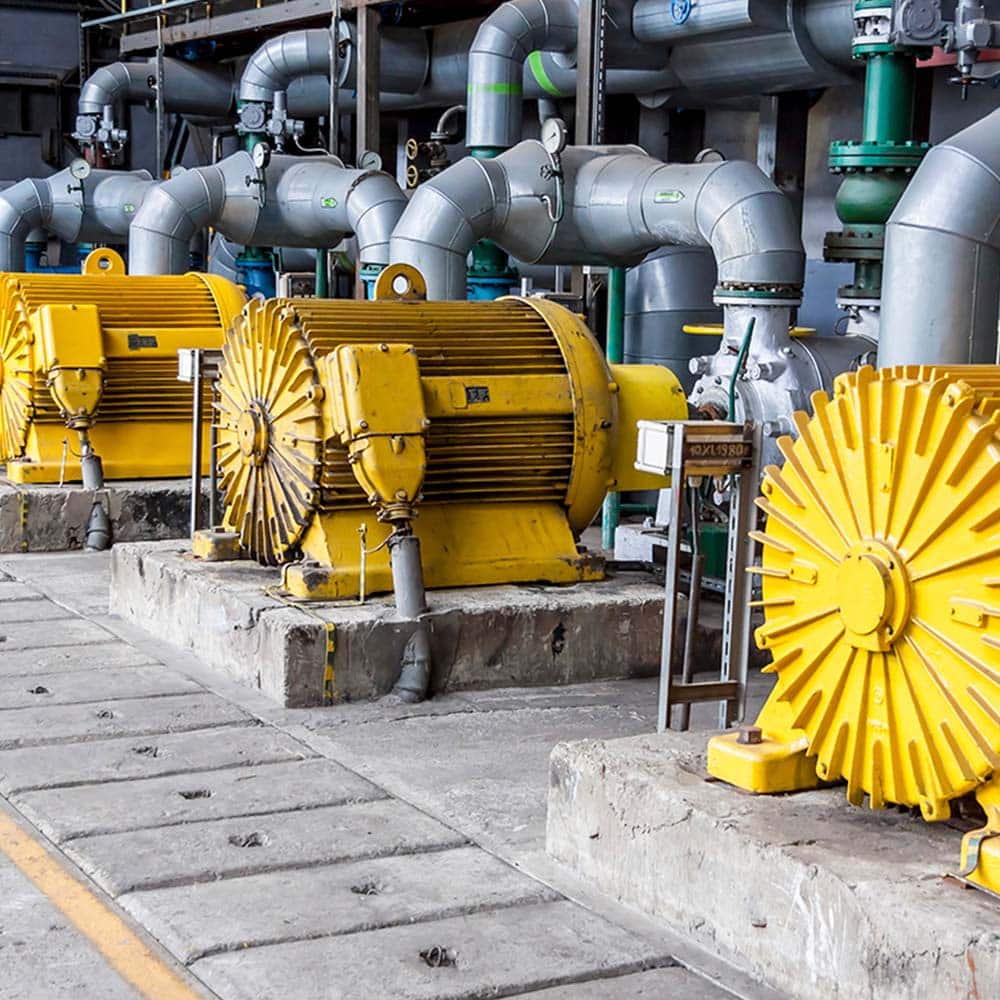 \n
\n Motor Monitoring
\t\t\n\t\t\tThe Rotating Machine Monitor provides PD monitoring for industrial motor applications. \n\t\t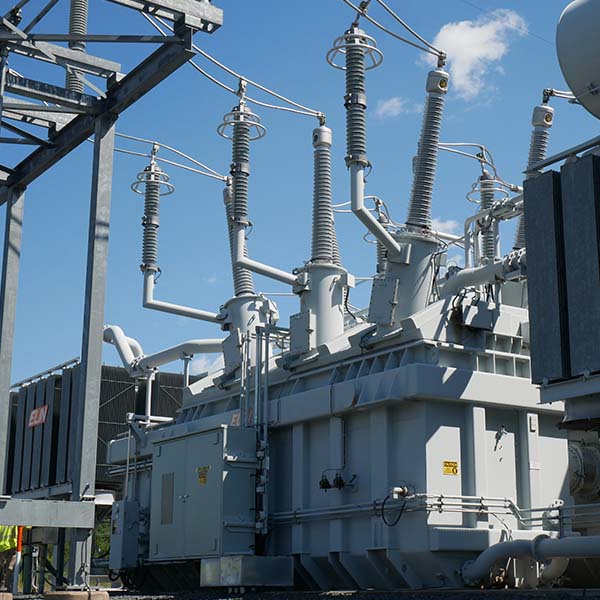 \n
\n Bushing Monitoring
\t\t\n\t\t\tLearn more about transformer bushing monitoring. \n\t\t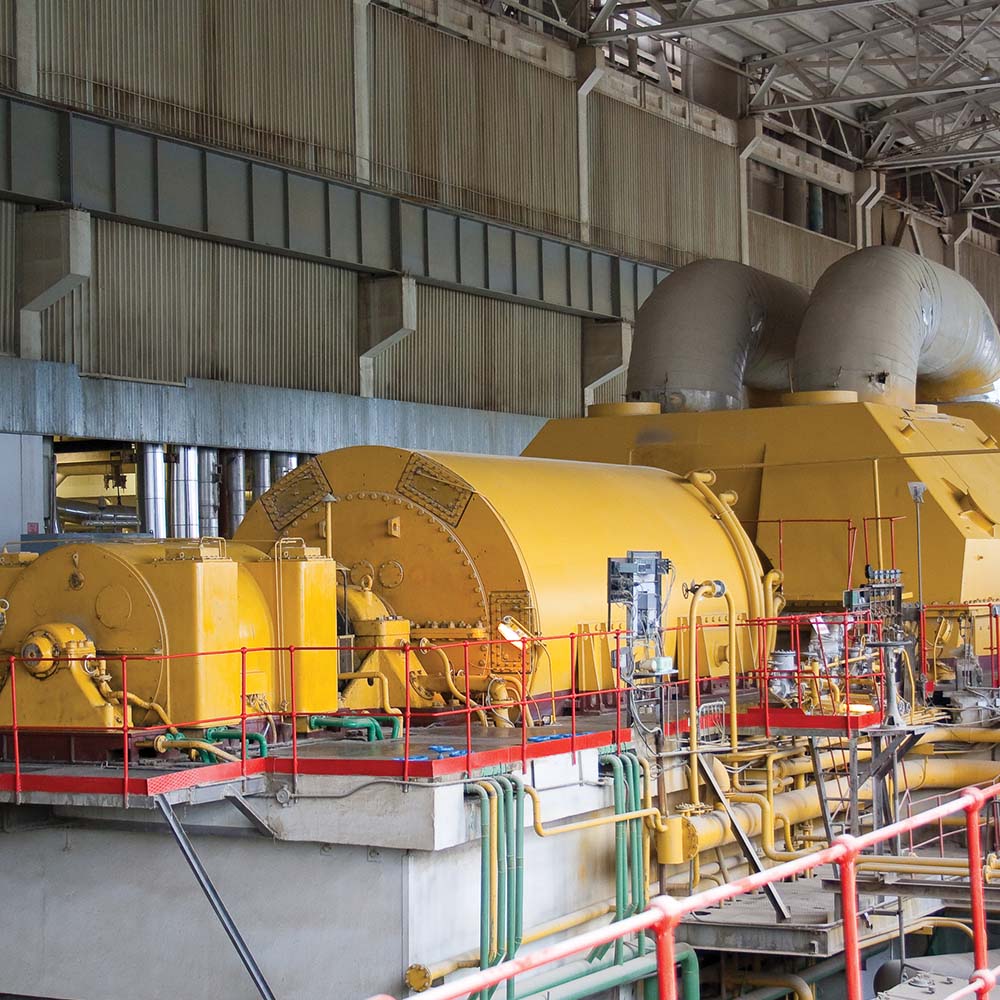 \n
\n