
The Mentoring Gap: How the Loss of Informal Knowledge Is Affecting Safety

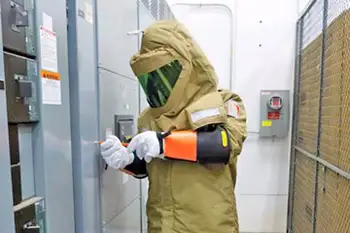
CSA Z462 Arc Flash Training – Electrical Safety Compliance Course
Our customized live online or in‑person group training can be delivered to your staff at your location.
- Live Online
- 6 hours Instructor-led
- Group Training Available
For much of the trade’s history, the most important safety lessons in line work were never written down. They were learned by proximity. New linemen watched how experienced hands approached a pole, handled a tool, or reacted when conditions changed. They learned when to slow down, when to stop talking, and when something simply did not feel right. These lessons were rarely formalized, yet they shaped judgment in ways no procedure ever could.
That informal transfer of knowledge is fading, and its absence is beginning to show.
The structure of the trade has changed rapidly. Accelerated retirements have removed decades of experience from the field in a short period of time. Apprenticeships are more compressed, and crews are leaner. New hires are expected to become productive faster, often rotating between crews and assignments before deep working relationships form. Onboarding is more efficient, but it is also more transactional.
Formal training has filled part of the gap, but it was never designed to replace lived experience. Procedures explain what should happen under defined conditions. They do not explain how judgment develops when conditions are unclear, conflicting, or changing in real time. They cannot convey the subtle cues that experienced linemen use to sense developing risk.
Sign Up for Electricity Forum’s Newsletter
Stay informed with our FREE Newsletter — get the latest news, breakthrough technologies, and expert insights, delivered straight to your inbox.
Read the full article at:
https://online.electricity-