
Contact Material Recycling and Sustainability in Electronics
NFPA 70E Training
Our customized live online or in‑person group training can be delivered to your staff at your location.
- Live Online
- 6 hours Instructor-led
- Group Training Available
The electronics industry is experiencing rapid growth and innovation, with devices becoming more advanced and ubiquitous. As this industry continues to flourish, it’s crucial to consider the environmental impact of electronic manufacturing and the materials used in these devices. One area that has been gaining importance in recent years is contact material recycling and sustainability in electronics.
The Need for Sustainability in Electronics
The proliferation of electronic devices has brought numerous benefits to our lives, from improved communication to enhanced convenience. However, this growth has come at an environmental cost. The electronics industry’s supply chain involves resourceintensive processes, such as mining and manufacturing, which can result in significant ecological consequences. To mitigate these effects, we must prioritize sustainability in electronics, starting with the materials used in their production.
Contact Materials and Their Role
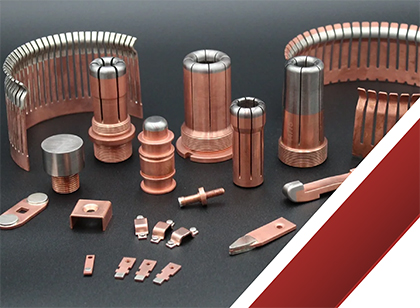
Contacts are fundamental components in electronic devices, responsible for facilitating the flow of electrical current from one part of the device to another. Historically, materials like copper and brass have been chosen for their excellent electrical conductivity. However, the extraction and processing of these materials are energy-intensive and often associated with environmental harm, including deforestation and water pollution in mining areas.
Recycling: A Sustainable Solution
Recycling contact materials offers a sustainable solution to these challenges. It reduces the need for fresh raw materials, conserving valuable resources and diminishing waste. When electronic devices reach the end of their lifespan, recycling enables the reclamation of materials like copper and silver, decreasing the environmental impact of mining and processing. This practice not only conserves natural resources but also contributes to the reduction of electronic waste, a growing concern in our throwaway culture.
Sign Up for Electricity Forum’s Newsletter
Stay informed with our FREE Newsletter — get the latest news, breakthrough technologies, and expert insights, delivered straight to your inbox.
Eco-Friendly Contact Materials
In addition to recycling, the development of eco-friendly contact materials presents an alternative path to sustainability in electronics. Materials like silver-tin oxide, nickel-iron, and advanced conductive polymers offer viable alternatives to traditional contact materials. These substances exhibit good electrical conductivity while being less harmful to the environment in their production. Investing in research and development to create and refine such materials is a critical step toward a more sustainable future.
Read full article in the Substation And The Grid Special Edition