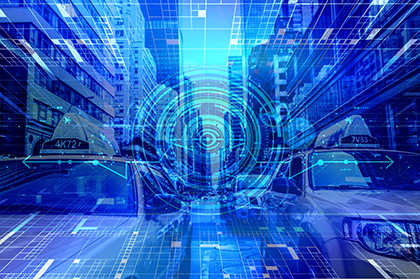
Digital Twins for Substations: Bridging the Physical and Digital Worlds
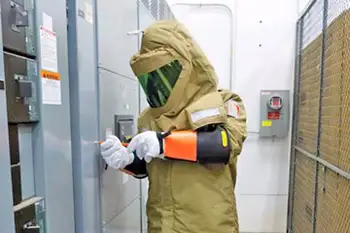
CSA Z462 Arc Flash Training – Electrical Safety Compliance Course
Our customized live online or in‑person group training can be delivered to your staff at your location.
- Live Online
- 6 hours Instructor-led
- Group Training Available
In the rapidly evolving landscape of power grid management, digital twin technology is emerging as a game-changer for substations. By creating virtual replicas of physical assets, digital twins bridge the gap between the physical and digital worlds, enabling enhanced operational efficiency and asset management. This article examines the application of digital twin technology in substations, its benefits for real-time monitoring, scenario analysis, and predictive maintenance, integration with grid management systems and IoT devices, and examples of successful implementations and their impact on substation performance.
Discover how modern substations are evolving through virtualization, process bus systems, and advanced cybersecurity in our digital substation feature article.
Overview of Digital Twin Technology and Its Application in Substations
A digital twin is a dynamic, virtual model of a physical asset, system, or process that mirrors its real-time status, operation, and performance. In the context of substations, digital twins replicate components such as transformers, circuit breakers, and control systems. These virtual models are continuously updated with data from sensors, IoT devices, and other sources, providing a comprehensive and dynamic view of the physical infrastructure. Accurate modeling is only possible with integrated substation automation systems that track real-time operational data.
Digital twin technology allows utilities to simulate, analyze, and optimize substation operations. It provides a detailed and real-time representation of the substation’s performance, enabling operators to monitor equipment health, predict potential issues, and evaluate different scenarios to improve decision-making and operational efficiency. The design phase is critical, and effective electrical substation design supports digital twin integration.
Sign Up for Electricity Forum’s Newsletter
Stay informed with our FREE Newsletter — get the latest news, breakthrough technologies, and expert insights, delivered straight to your inbox.
Benefits of Using Digital Twins for Real-Time Monitoring, Scenario Analysis, and Predictive Maintenance
Real-Time Monitoring
Digital twins offer real-time visibility into the performance and condition of substation assets. By continuously collecting and analyzing data, digital twins enable utilities to monitor key parameters such as voltage, current, temperature, and load. This real-time insight helps identify anomalies and potential failures before they escalate, allowing for timely intervention and minimizing downtime. To ensure accuracy over time, a digital twin must be continually updated through reliable electrical substation maintenance practices.
Scenario Analysis
Digital twins enable utilities to perform scenario analysis by simulating different operational conditions and assessing their impact on substation performance. This capability is invaluable for planning and decision-making, as it allows utilities to evaluate the effects of load changes, equipment upgrades, and environmental factors. Scenario analysis helps utilities develop robust strategies for grid optimization, emergency response, and future investments.
Predictive Maintenance
One of the most significant advantages of digital twins is their ability to facilitate predictive maintenance. By analyzing historical and real-time data, digital twins can identify patterns and trends that indicate potential issues. This predictive capability allows utilities to schedule maintenance activities proactively, reducing the likelihood of unexpected failures and extending the lifespan of substation assets. Predictive maintenance also optimizes resource allocation and reduces maintenance costs.
Integration with Grid Management Systems and IoT Devices
The integration of digital twins with existing grid management systems and Internet of Things (IoT) devices is essential for maximizing their benefits. Digital twins complement grid management systems by providing a more detailed and dynamic view of substation infrastructure. While traditional systems offer real-time monitoring and control, digital twins enhance these capabilities with advanced analytics, simulation, and predictive insights.
Understanding the inner workings of electrical substation components allows engineers to replicate them digitally with precision.
You can also visit our Substation Maintenance training course.
Visit our Electricity Forum Electrical Substation Channel Page.
Read full article at Intelligent Transformers & Substations Special Edition